
CLIMATE BIO®
Agricultural Biotechnology for Climate Resilience
Researching agricultural biotechnology approaches to greenhouse-gas reduction and climate resilience in farming systems.
THE CHALLENGE
Agricultural Biotechnology for Climate Resilience
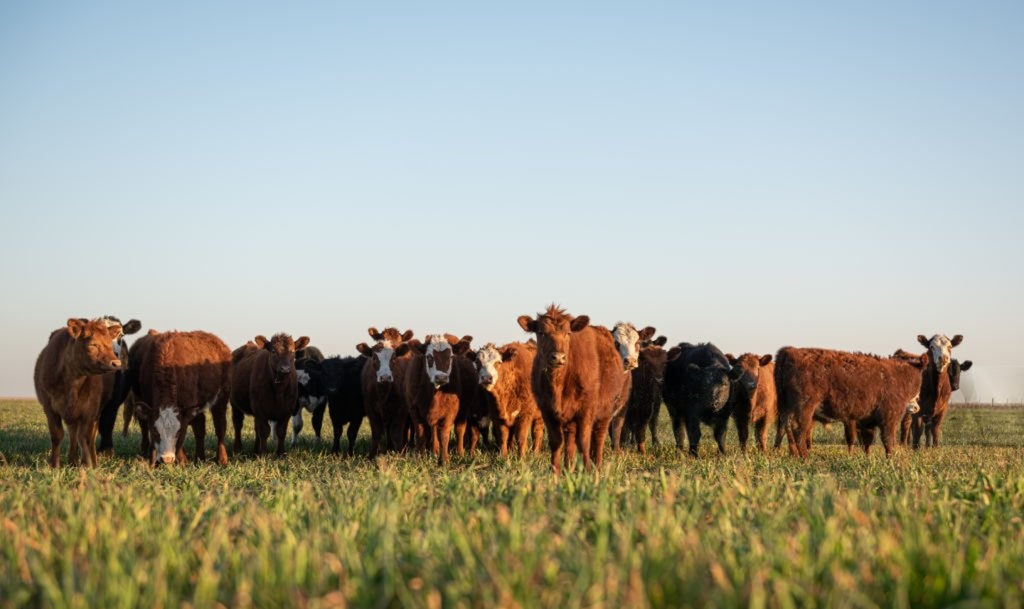
Livestock and crop production face interconnected pressures involving greenhouse-gas emissions, resource efficiency, and climate variability. CLIMATE BIO® advances agricultural biotechnology research addressing these challenges, with livestock methane (CH₄) as the primary focus.
Carbon dioxide (CO₂) and nitrous oxide (N₂O) are complementary areas of interest. Our work builds on experimental crop and forage biotechnology findings to develop and evaluate approaches to agricultural greenhouse-gas mitigation.
INTEGRATED PLATFORM
One Platform. Three Greenhouse-Gas Priorities.
Discover these research directions together on the consolidated PLATFORM page.
PRIMARY FOCUS

01 · Methane (CH₄)
Primary focus. Research with genetically engineered corn and alfalfa biomass observed reduced methane production in in vitro rumen fermentation tests, informing feed-related methane mitigation research.
Explore methane research →
02 · Carbon dioxide (CO₂)
Plant biomass, crop traits, and biological processes associated with carbon cycling and agricultural resource use.
Explore carbon dioxide research →
03 · Nitrous oxide (N₂O)
Plant and agricultural-system research questions related to nitrogen efficiency and N₂O emissions.
Explore nitrous oxide research →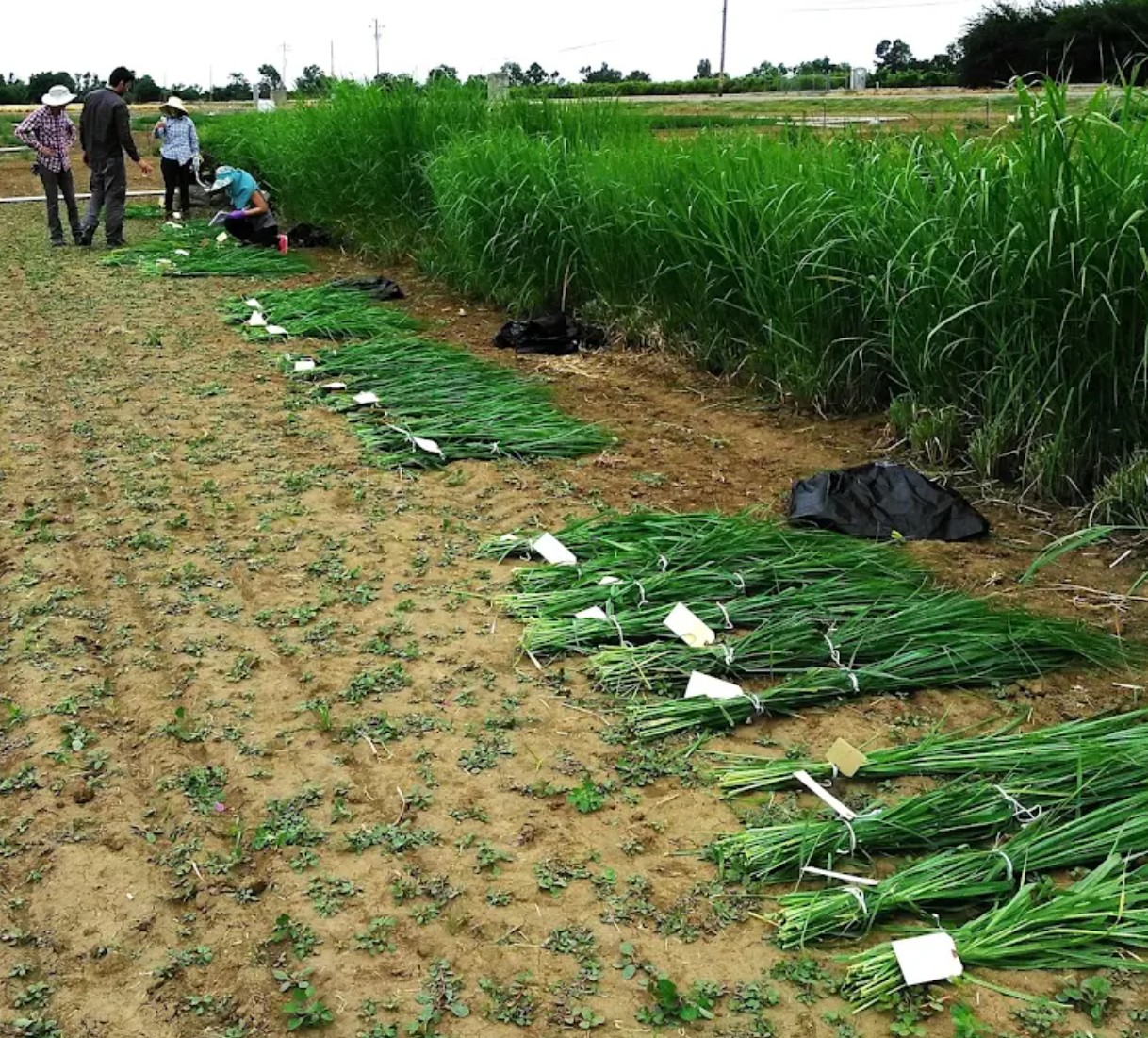
RESEARCH-LED DEVELOPMENT
Research-Led Development
CLIMATE BIO® is part of the ASTALAKE BIOSYSTEMS® biotechnology portfolio. Its research explores crop traits and biomass characteristics relevant to climate resilience, animal nutrition, stress tolerance, resource efficiency, and greenhouse-gas mitigation.
Our development program links laboratory evidence with crop and feed biotechnology research, guiding further evaluation of agricultural performance and greenhouse-gas mitigation.